


Tathāgatena, bhikkhave, arahatā sammāsambuddhena bārāṇasiyaṁ isipatane migadāye anuttaraṁ dhammacakkaṁ pavattitaṁ appaṭivattiyaṁ samaṇena vā brāhmaṇena vā devena vā mārena vā brahmunā vā kenaci vā lokasmiṁ, yadidaṁ—catunnaṁ ariyasaccānaṁ ācikkhanā desanā paññāpanā paṭṭhapanā vivaraṇā vibhajanā uttānīkammaṁ. Katamesaṁ catunnaṁ?
Dukkhassa ariyasaccassa ācikkhanā desanā paññāpanā paṭṭhapanā vivaraṇā vibhajanā uttānīkammaṁ, dukkhasamudayassa ariyasaccassa ācikkhanā desanā paññāpanā paṭṭhapanā vivaraṇā vibhajanā uttānīkammaṁ, dukkhanirodhassa ariyasaccassa ācikkhanā desanā paññāpanā paṭṭhapanā vivaraṇā vibhajanā uttānīkammaṁ, dukkhanirodhagāminiyā paṭipadāya ariyasaccassa ācikkhanā desanā paññāpanā paṭṭhapanā vivaraṇā vibhajanā uttānīkammaṁ.
- Right view
- Right resolve
- Right speech - Samma Vaca
- Right action -Samma Kammanta
- Right livelihood - Samma Ajiva
- Right effort - Samma Vayama
- Right mindfulness - Samma Sati
- Right concentration - Samma Samadhi

01
Right View (Samma Ditti)
Right View - Samma Ditti
Right View is the foundational element of the entire Noble Eightfold Path. According to the Maha-cattarisaka Sutta, Right View acts as the guiding light, directing and clarifying all other path factors. The Buddha categorised it into two distinct levels: mundane (lokia) and supramundane (lokuttara). Mundane Right View (Lokiya Sammā Diṭṭhi) This level of Right View is associated with the world and yields merit. It is the deep conviction in the law of Kamma (moral causation) and the structure of reality. The Suttas define this precisely through 10 grounds of Right View (Dasavatthuka Samma Ditthi)

02
Right Resolve (Samma Sankappa)
Right Resolve / Right Intention (Sammā Saṅkappa)
While Right View provides the cognitive understanding, Right Resolve provides the emotional and motivational driving force. It is the deliberate shaping of one’s thoughts, intentions, and purpose based on the wisdom gained from Right View. The Sacca-vibhanga Sutta (MN 141) defines Right Resolve through three specific renunciations of unwholesome thought patterns:
The Resolve of Renunciation (Nekkhamma-saṅkappa): This is the intention to let go of attachment to sensual desires (kama). It involves recognizing that sensory pleasures are fleeting and ultimately unsatisfactory. Practically, it means cultivating a mind that does not grasp, obsess over, or aggressively pursue material wealth, physical pleasures, or status.
Right speech - Samma Vaca
Right Speech is the first factor of the Virtue (Sīla) division. The Buddha placed immense importance on speech because it is the primary bridge between the internal mind and the external world. According to the Magga-vibhanga Sutta, Right Speech involves four distinct abstentions:
Abstaining from False Speech (Musāvādā veramaṇī):One speaks the truth and holds to the truth. Whether in a court of law, among friends, or in business, one does not intentionally deceive others for personal gain, the gain of others, or any petty motive. Truthfulness builds the foundation of social trust.

03
Right Speech (Samma Vaca)
Right Action (Sammā Kammanta)
Right Action governs our physical behavior, ensuring our bodily conduct aligns with the principle of harmlessness and purity. It requires ethical restraint to prevent creating suffering for oneself and others. The Suttas define it through three specific precepts of abstention:
Abstaining from Taking Life (Pāṇātipātā veramaṇī): One lays aside the rod and the weapon. One lives conscientiously, full of mercy, and sympathetic to the welfare of all living beings. This extends from humans to the smallest insects. It is the practical application of the “Resolve of Harmlessness.”
Read more…

04
Right Action (Samma Kammanta)

05
Right Livelihood (Samma Ajiva)
Right Livelihood (Sammā Ājīva)
Right Livelihood recognizes that how we spend our working hours profoundly impacts our spiritual development. An unethical job forces the mind into daily compromises that destroy peace and concentration. The Buddha defined Right Livelihood negatively (what to avoid) and positively (how to act).
In the Vaṇijjā Sutta (AN 5.177), the Buddha explicitly prohibited lay followers from engaging in five specific trades:

06
Right Effort (Samma Vayama)
Right Effort (Sammā Vāyāma)
Right Effort is the first factor of the Concentration (Samādhi) division. The path is not passive; it requires intense, correctly directed mental energy. In the Magga-vibhanga Sutta, this is described as the “Four Supreme Efforts” (Sammappadhāna):
The Effort to Prevent: Generating the will and striving to prevent the arising of unwholesome states (like lust, anger, or jealousy) that have not yet arisen. This requires guarding the sense doors.
The Effort to Abandon: Striving to abandon unwholesome states that have already arisen in the mind. One does not tolerate evil thoughts but destroys them and drives them out.
Right Mindfulness (Sammā Sati)
Right Mindfulness is the anchoring of awareness in the present moment, allowing one to see reality exactly as it is without the distortion of desires or fears. The Maha-satipatthana Sutta maps this out through the “Four Foundations of Mindfulness”:
Contemplation of the Body (Kāyānupassanā): Being fully aware of the body in the present. This includes mindfulness of breathing (Anapanasati), awareness of all physical postures (walking, standing, sitting, lying down), and reflecting on the anatomical parts and elemental nature of the body to break down the illusion of “self” and physical vanity.

07
Right Mindfulness (Samma Sati)
Right Concentration (Sammā Samādhi)
Right Concentration is the pinnacle of the path. Protected by Virtue, driven by Effort, and focused by Mindfulness, the mind enters profound states of unification and stillness. The Magga-vibhanga Sutta strictly defines Right Concentration as the attainment of the four Jhanas (meditative absorptions):
The First Jhana: Quite secluded from sensual pleasures and unwholesome states, one enters a state accompanied by applied and sustained thought (vitakka and vicāra), filled with rapture and happiness (pīti and sukha) born of seclusion.
The Second Jhana: With the stilling of applied and sustained thought, one gains inner tranquility and

08
Right Concentration (Samma Samadhi)
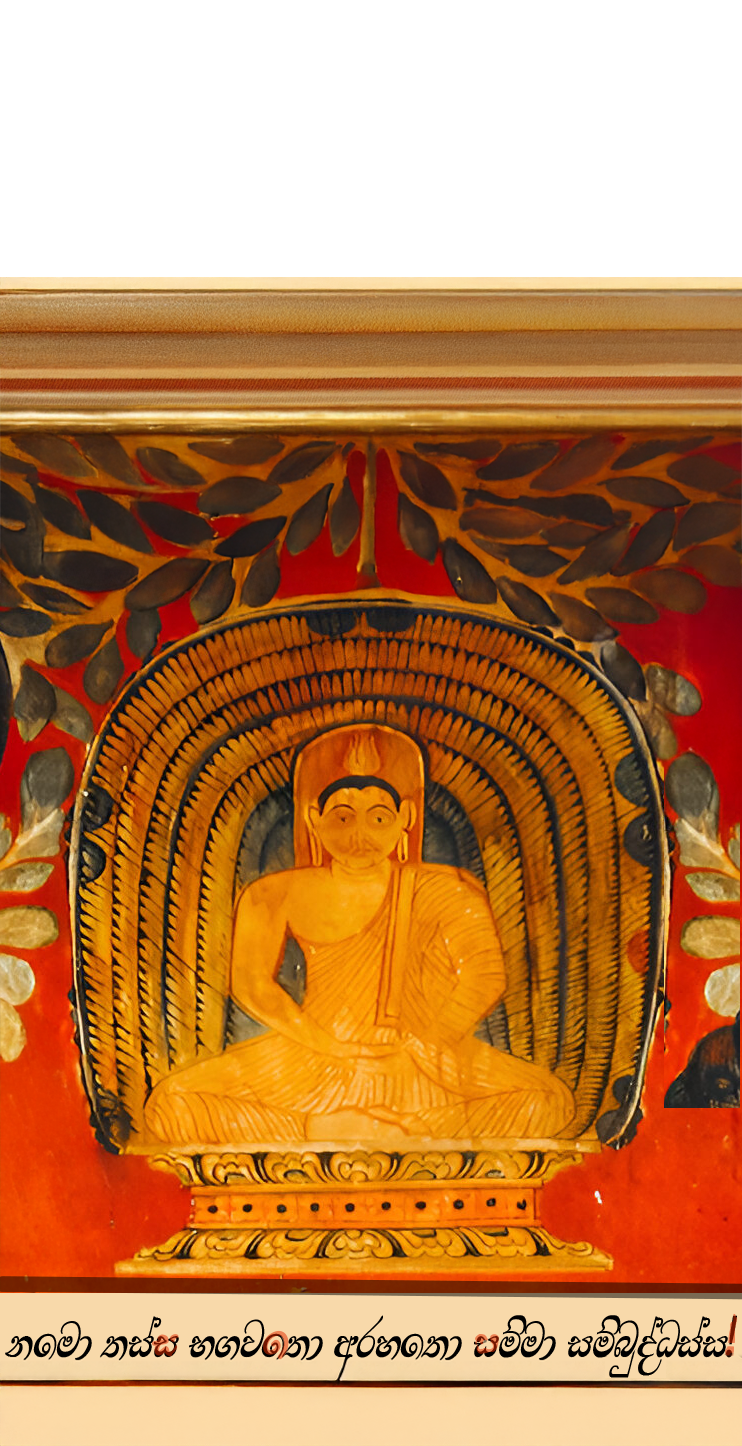

The Noble Truth of Suffering
The first noble truth admits that we all experience suffering. We share a variety of physical and emotional anguish from birth to death. The Lord Buddha understood that suffering is a necessary component of human existence and that by comprehending its origins, we are able to overcome it.

The Noble Truth of the cause of suffering
In the second noble truth, the Lord Buddha explained the ‘cause of dukkha’ – Dukkha Samudhaya Ariya Sacca – the reason behind all the suffering. Craving and desire are the leading causes of suffering. Our constant wants and attachments result in unhappiness and ongoing discontentment.

The Noble Truth of the cessation of suffering
The Cessation of Suffering is Nirvana. The lord Buddha explicates that there is an end to this suffering. It is the complete cessation of that very desire without retainment, ending the attachment to it, relinquishing it, liberating oneself from it, and detaching oneself from it.

The Noble Truth of the Way to the Cessation of Suffering
The Path leading to the Cessation of Suffering is the Noble Eightfold Path. The one and only way to achieve enlightenment by eradicating the whole mass of suffering is by practising the Noble Eightfold Path – and this path is right view, right intention, right speech, right action, right livelihood, right effort, right mindfulness and right concentration.